


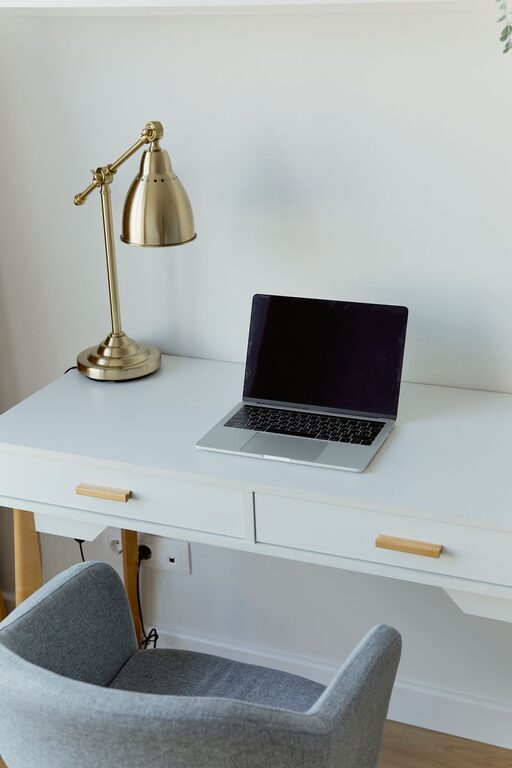
Creating an organized and comfortable home office is essential for maximizing productivity and maintaining focus throughout your workday. Whether you’re new to working from home or looking to improve your current setup, small changes in organization and design can make a big difference. In this post, we’ll explore practical tips to create a workspace that supports both efficiency and comfort.
Why Organizing Your Home Office Matters
A cluttered and disorganized workspace can lead to distractions, stress, and lowered productivity. When your office is tidy and everything is within easy reach, you’re able to focus better and complete tasks more efficiently. Plus, a comfortable environment can reduce physical strain and boost your overall well-being while working.
Start with Decluttering
Before adding organizational tools or redesigning your office layout, begin by decluttering your space. Take everything out of drawers, shelves, and your desk to sort through your items.
– Keep only the tools and materials you use regularly.
– Discard or donate items that are no longer necessary.
– Store important but rarely used items separately to avoid overcrowding your immediate workspace.
Decluttering creates a fresh canvas and makes it easier to design an efficient layout.
Choose the Right Desk and Chair
Your desk and chair are the foundation of your home office environment. Here’s what to consider:
– Desk size: Choose a desk that fits your room comfortably but is large enough to hold your computer, essential supplies, and allow space for writing.
– Ergonomic chair: Invest in a chair that supports good posture with adjustable height and lumbar support to keep you comfortable for long periods.
Position your desk near a window if possible, as natural light can enhance mood and reduce eye strain.
Use Smart Storage Solutions
Organizing your office means having a designated place for everything. Consider these storage tips:
Desk Organizers
Desktop organizers help keep pens, papers, and gadgets neat and easy to find. Use trays, cups, or drawer dividers to prevent clutter.
Shelving Units and Filing Cabinets
Shelves can hold books, reference materials, and decorative items while filing cabinets secure important documents. Label your files clearly so you can locate documents quickly.
Cable Management
Avoid tangled cords by using cable clips, sleeves, or under-desk trays. Keeping cables managed creates a clean look and prevents accidents or damage.
Optimize Lighting
Good lighting is key to staying alert and avoiding eye strain. Here’s how to improve it:
– Use a combination of natural light and adjustable desk lamps.
– Choose bulbs with a daylight or soft white temperature for a balanced effect.
– Position lights to avoid glare on your computer screen.
Personalize Your Space
While functionality is important, a personalized space can boost comfort and motivation. Add elements like:
– A plant or two for a touch of greenery and improved air quality.
– Inspirational art or quotes that encourage positivity.
– A cozy throw blanket or cushion for extra comfort.
Just be careful not to overcrowd your workspace with items that cause distractions.
Create Zones for Different Activities
If your home office is large enough, consider defining zones for various tasks:
– Primary work zone: Your desk and main computer setup.
– Reference zone: Shelves or a cabinet with books and materials.
– Break zone: A comfy chair or spot where you can step away briefly from work.
Designating specific areas encourages better workflow and helps keep your main workspace clear.
Maintain Your Organization Regularly
The key to a well-organized office is ongoing maintenance:
– Schedule weekly tidying sessions to put items back in place.
– Regularly review your paperwork and digital files to delete or archive what’s no longer needed.
– Keep cleaning supplies handy to wipe down surfaces and reduce dust.
Incorporate Technology Wisely
Technology can both help and hinder your organization:
– Use digital tools to reduce paper clutter—apps for note-taking, task management, and calendars.
– Invest in wireless devices such as keyboards and headphones to reduce cables.
– Backup your important files to cloud storage to avoid losing them.
Final Thoughts
Organizing your home office doesn’t have to be overwhelming. By decluttering first, choosing the right furniture, utilizing smart storage, optimizing lighting, and making the space comfortable and personalized, you’ll create an environment that supports productivity and well-being. Remember, regular maintenance is key to keeping your workspace efficient and enjoyable every day.
With these practical tips, your home office can become a place where focus and comfort work hand in hand, making your work-from-home experience more rewarding.

More Stories
Simple Ways to Create a More Organized and Productive Workspace at Home
Tips for Creating a Relaxing and Productive Home Office Environment
How to Create a Cozy and Inviting Reading Nook at Home